Best Horizon Fence Company Austin Services for Fence Repair
Transform Your Property With Professional Fence Installation
Enhancing a property via professional fence installation is a pragmatic choice for homeowners. Fences serve to improve both security and privacy but also contribute to the overall aesthetic appeal of a home. With various styles and materials available, choosing the ideal option can feel overwhelming. Gaining insight into the benefits and steps involved can help simplify this undertaking. What factors should one consider to guarantee the investment is worthwhile?
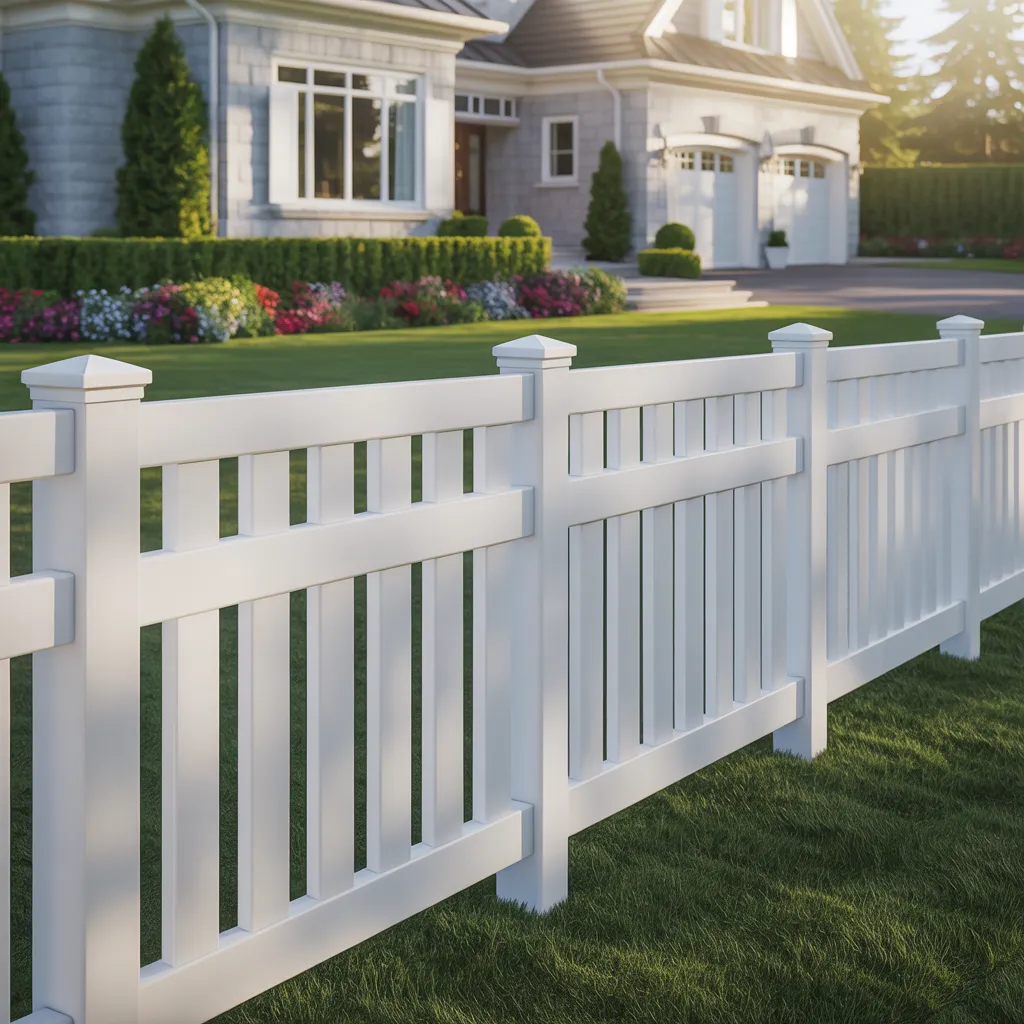
Why Invest in a Professional Fence for Security and Aesthetics?
When homeowners consider enhancing their property, installing a quality fence serves both security and aesthetic purposes. A well-installed fence acts as a formidable barrier, discouraging trespassers and offering reassurance. It establishes a clear boundary, safeguarding children and pets while enhancing privacy.
In addition to security, the choice of design and materials can significantly enhance a property's visual appeal. A skillfully installed fence suits the residence's architectural character, establishing a harmonious aesthetic that elevates visual appeal. High-quality materials and expert craftsmanship guarantee durability, minimizing ongoing upkeep expenses.
Moreover, a fence can boost property value, making it a wise investment. Home purchasers often view well-defined outdoor spaces as appealing features, which can lead to swifter sales and greater offers. When all is said and done, a professional fence installation not only improves safety but also elevates the overall appearance of a property, making it a sound investment for property owners.
Common Fence Designs to Boost Curb Appeal
When considering installing a fence, various styles can greatly improve a property's curb appeal. Classic wooden fences offer timeless charm, while elegant vinyl options provide durability and low maintenance. For a modern aesthetic, modern metal designs deliver both style and strength, suiting a variety of design preferences.
Classic Wood Fence Styles
Classic wood fences remain a perennial favorite for homeowners who want to boost their property's curb appeal. Their natural appearance enhances numerous architectural styles, ranging from classic to contemporary. Offered in many styles, such as picket, board-on-board, and shadowbox, wooden fencing can be adapted to match individual styles and landscape designs. The natural warmth of wood brings a countryside elegance that can temper the aesthetic of any property, fostering a warm and welcoming setting. Furthermore, these fences offer seclusion while still permitting airflow and natural light. Through regular upkeep such as staining and sealing, wood fences can endure for many years, making them a durable investment. In the end, they function as both a practical barrier and a striking addition that improves the complete visual appeal of a home.
Elegant Vinyl Options
As more homeowners look for practical options that don't compromise on aesthetics, elegant vinyl fence options have emerged as a popular choice to boost a home's exterior appearance. These fencing options come in a wide range of styles, from traditional picket arrangements to modern privacy screens, allowing homeowners to match their aesthetics effortlessly. Vinyl fences resist fading, warping, and corrosion, ensuring durability and long-term beauty. Offered in a diverse range of shades and surface styles, they can replicate the look of natural wood or present a contemporary aesthetic. Additionally, their smooth surfaces are easy to clean, making them an ideal fit for those with demanding schedules. By selecting refined vinyl fence solutions, homeowners can achieve a refined look while enjoying the benefits of minimal upkeep and high resilience.
Contemporary Metal Designs
Horizontal panels, geometric patterns, and mixed materials have grown in popularity, producing visual intrigue and a sleek appearance. Furthermore, metal fence installations can serve practical purposes, such as providing security without sacrificing style. Some homeowners opt for aesthetic additions, like laser-cut patterns, to incorporate a personalized detail. In summary, contemporary metal fencing not only elevates visual attractiveness but also contributes to a property's value and longevity.
Choosing the Right Fence Material for Your Needs
Choosing the right fencing material is crucial for both practicality and visual appeal. Materials like wood, vinyl, and metal each offers distinct advantages that cater to a range of needs and personal preferences. Understanding these benefits can help homeowners make informed decisions for their fence installation projects.
Wood Fencing Benefits
Wooden fencing delivers a traditional appeal that elevates the beauty of any home while offering a range of functional advantages. One of its primary advantages is versatility; wood is available in various styles, heights, and finishes to complement diverse architectural styles. Additionally, wood functions as an effective insulator, helping to resource reduce noise levels and enhance privacy. Wood is also eco-friendly, positioning it as a green alternative when weighed against artificial options. With routine upkeep, wood fences offer lasting performance, combining long-lasting strength with aesthetic charm. Moreover, timber is simple to fix or swap out, providing a cost-effective solution for property owners. All things considered, wood fencing not only beautifies a property but also serves functional purposes, making it a top selection for countless property owners.
Vinyl Fence Longevity
Vinyl fencing is recognized as a resilient option compared to conventional wood fencing. Valued for its immunity to decay, rot, and insect damage, vinyl provides long-lasting protection without the need for regular maintenance. As opposed to wood, which is prone to warping and splintering, vinyl maintains its structural integrity and aesthetic appeal even in harsh weather conditions. The material additionally offers UV resistance, protecting against sun-induced fading and discoloration. Moreover, vinyl fences are offered in a wide range of styles and color options, allowing homeowners to choose designs that complement their property. While initial costs may be higher than wood, the lasting performance and reduced maintenance of vinyl fencing render it an economical decision in the long term. Overall, vinyl fencing is a practical and resilient solution for property enhancement.
Metal Options Explained
When evaluating fence choices, metal fencing materials including aluminum and steel provide durable solutions suited to a range of requirements. Aluminum is light, corrosion-resistant, and demands little upkeep, making it ideal for residential applications. It offers a visually appealing choice that suits numerous architectural designs. On the other hand, steel is known for its strength and durability, making it suitable for security-focused installations. It withstands harsh weather and physical impact, ensuring long-lasting protection. However, steel may require occasional maintenance to prevent rust. Ultimately, the choice between aluminum and steel copyrights on factors such as budget, desired appearance, and specific functional requirements. Recognizing these differences can significantly boost property value while aligning with individual preferences.
Top 5 Advantages of Professional Fence Installation
Although many homeowners might think about tackling fence installation themselves, opting for professional services offers significant advantages. First, professionals bring expertise and experience, guaranteeing that the fence is installed correctly and efficiently. Additionally, they frequently utilize superior materials and tools, delivering a sturdy and attractive finished product. Moreover, professional services can spare homeowners valuable time, letting them direct their attention elsewhere rather than tackling a challenging project. In addition, professionals can offer insightful guidance on style and positioning, customizing the fence to satisfy particular requirements and local codes. Finally, numerous professional companies provide warranties, offering reassurance about the durability and craftsmanship of the installation. In summary, choosing professional fence installation not only boosts property value but also ensures a stress-free experience for the homeowner.
What You Can Expect During Fence Installation
Preparing for the fence installation process helps homeowners to get ready for the transformation of their outdoor space. Typically, the process begins with an evaluation of the property, where professionals survey the area and go over design options. Next, homeowners can look forward to the marking of boundaries, confirming compliance with municipal guidelines and adjacent property agreements.
After all preparations are finished, the installation team will begin digging post holes and securing the fence panels or boards. This stage may involve concrete for added stability. Residents should anticipate some noise and disruption throughout this stage, as equipment and tools will be actively utilized.
Ultimately, the team will carry out a comprehensive check to confirm that all elements are correctly positioned and fastened. Upon completing the installation, homeowners will get helpful advice about any necessary upkeep requirements. Overall, understanding this process promotes a more seamless experience and increases homeowner satisfaction with the recently completed fence.
How to Care for Your New Fence
Once a new fence has been successfully installed, adequate upkeep is necessary to ensure its durability and visual appeal. Routine care is important, commencing with regular examinations for signs of wear, like deteriorating wood or oxidized metal. Washing the fence a minimum of once annually assists in clearing away dust and debris, ensuring it remains visually appealing. In the case of timber fences, applying a protective sealant or stain every few years works to shield against dampness and ultraviolet wear. Iron or steel fences can benefit from rust-inhibiting paint to protect against oxidation and decay. Furthermore, cutting back plants that grow near the fence helps deter insects and rot. It remains critical to resolve problems in a timely manner, since ignoring them may result in more serious complications over time. By following these care tips, homeowners can enjoy their new fence for many years while preserving its integrity and charm.
Working With Fence Installation Pros
When homeowners opt to upgrade their property with a new fence, working with skilled installation experts can significantly streamline the process. These experts bring valuable knowledge about materials, design options, and local regulations, making certain that the project matches the homeowner's expectations and adheres to zoning laws.
Prior to beginning, it's beneficial for residents to clearly communicate their preferences, including the desired purpose, style, and height of the fence installation. Professionals can then offer customized recommendations, helping to steer clear of frequent errors.
Moreover, scheduling a consultation enables an examination of the location, uncovering any possible obstacles such as uneven terrain or existing landscaping.
Planning Your Budget for a Fence Installation Project
Determining costs for a fence installation project calls for careful assessment of a range of factors that shape the overall investment. Initially, the type of materials chosen has a major impact; wood, vinyl, and metal all carry distinct price ranges and upkeep requirements. Beyond that, the size and configuration of the property warrant careful evaluation, because bigger or unusually shaped lots can necessitate more work and resources.
Labor expenses can differ significantly depending on local rates and the expertise of the installation team. Homeowners should also factor in permits and zoning regulations, that may lead to supplementary costs. It is also wise to allocate a contingency fund for unanticipated expenditures. By carefully evaluating these factors, homeowners can develop a practical budget that suits their financial situation while ensuring the installation of a quality fence that enhances their property.
Answers to Common Questions
How Long Does a Typical Fence Installation Take?
A standard fence installation can take anywhere from one to several days, based on factors including the style of fence, the landscape, and the dimensions of the property, along with weather conditions influencing the schedule.
Can I Install a Fence on My Own?
Absolutely, a homeowner can install a fence on their own. Nevertheless, it requires thorough preparation, appropriate tools, and knowledge of local regulations. The outcome depends on the person's level of expertise and dedication to the task.
What Permits Are Needed for Fence Installation?
Municipal regulations generally require permits for fence installation, depending on the local jurisdiction. Homeowners should consult their city or county zoning authority to understand the exact regulations, including restrictions on fence height, property line requirements, and homeowners' association policies that could be relevant.
Will My Fence Have an Effect on My Property Value?
A well-constructed fence can enhance property value by elevating visual appeal and ensuring privacy, while poorly maintained or unattractive fences may diminish it. Ultimately, quality and design strongly affect the overall value perception of a property.
How Can I Select a Trustworthy Fence Contractor?
To identify a reliable fencing professional, one should review feedback, check credentials, request multiple quotes, and evaluate previous work. Establishing clear dialogue and understanding of terms will further improve the decision-making process.